
Long before Atikokan’s logging camps and mining operations shaped this corner of Northwestern Ontario, the Lakota people developed a profound relationship with the natural world that holds lessons for anyone who calls this wilderness home today. Their traditions rest on a simple but transformative understanding: everything is connected. The rocks, the waters, the forests we hike through on weekends, they’re all relations deserving of respect and reciprocity.
The Lakota worldview centers on Mitakuye Oyasin, a phrase meaning “all my relations.” It’s not just a saying. It’s a way of moving through the world that recognizes your campfire smoke, the walleye you catch, and the black spruce standing sentinel along the trails are all part of one living system. When you treat the land as family rather than commodity, your entire experience of place transforms.
Just as Atikokan’s heritage reflects the values of those who settled here, Lakota traditions offer a different but complementary perspective on what it means to belong to this landscape. Their ceremonies, from sweat lodges to vision quests, weren’t religious rituals divorced from daily life. They were practical technologies for maintaining balance, healing communities, and remembering your place in the greater whole.
The seven sacred values, courage, wisdom, respect, humility, truth, generosity, and love, weren’t abstract concepts either. They were survival skills. Out here, where winter tests your resolve and the wilderness demands humility, those teachings resonate deeply with anyone who’s spent real time in the bush.
The Sacred Connection Between Land and Spirit
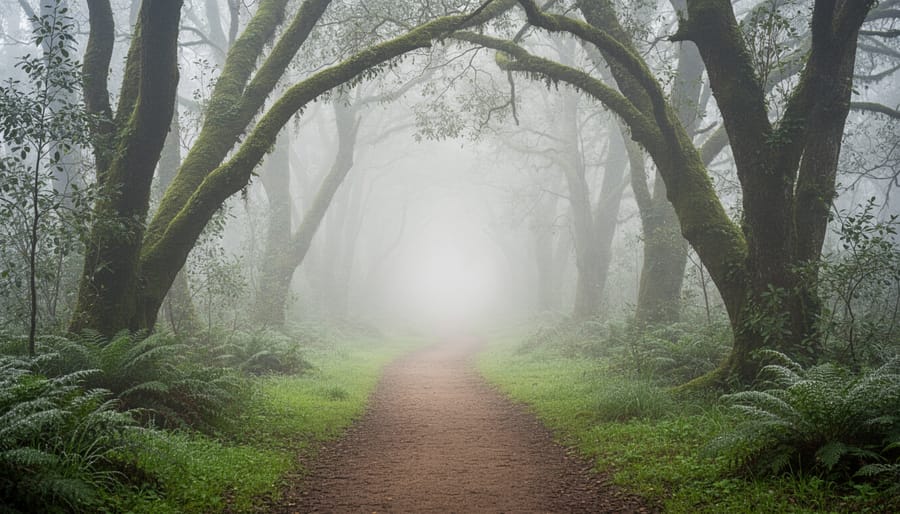
The Lakota people have always understood what many Atikokan residents feel in their bones: the land isn’t something we own, but rather something we belong to. This fundamental belief shapes everything in Lakota spirituality, creating a worldview where every rock, stream, and living creature carries sacred significance.
In Lakota tradition, the concept of “Mitakuye Oyasin”, meaning “all my relations”, extends family bonds beyond human connections to include animals, plants, waters, and stones. When a Lakota person speaks these words, they’re acknowledging their kinship with the entire natural world. Walk along the shores of Saganagons Lake or through the boreal forests surrounding Atikokan, and you’ll find locals expressing this same interconnectedness, perhaps in different words but with identical reverence.
Water holds particularly sacred status in Lakota belief, considered the lifeblood of Mother Earth and the first medicine. Rivers and lakes aren’t merely resources but living beings worthy of respect and protection. This mirrors how Atikokan’s fishing community approaches their waters, not with exploitation but with gratitude and careful stewardship, understanding that what they take from the lakes must be honored.
The forests, too, are viewed through a spiritual lens in Lakota tradition. Trees provide shelter, medicine, and wisdom to those who listen. The act of harvesting from the forest requires permission asked in prayer and gratitude offered in return. Many hunters and gatherers in Atikokan practice their own forms of this respectful exchange, perhaps not in ceremony but in their careful, sustainable approach to the wilderness that sustains their way of life.
This shared understanding creates common ground between ancient Lakota wisdom and modern northern Ontario values: the land gives generously, but only to those who approach with humility and respect.
Seven Sacred Values That Echo in Northern Ontario
The seven sacred values form the backbone of Lakota spiritual life, guiding everything from daily interactions to decisions about hunting and gathering. These principles aren’t abstract ideals, they’re lived practices that shape how people relate to each other and the land. Walk through Atikokan today, and you’ll find these same values woven into the fabric of community life, even if they’re never named that way.
- Prayer
- The practice of seeking guidance and expressing gratitude to the Creator and spirits of the natural world. In Atikokan, this appears when anglers pause to appreciate a perfect sunrise on Steep Rock Lake or hunters silently acknowledge the sacrifice of game.
- Respect
- Honoring all living things and recognizing the interconnectedness of life. Local trappers who check their lines carefully and fishers who release undersized catch demonstrate this principle in action.
- Compassion
- Understanding and sharing the struggles of others, both human and non-human. You see it when neighbors help each other prepare for winter or when residents advocate for protecting wildlife corridors.
- Honesty
- Speaking truth and living with integrity in all relationships. Atikokan’s close-knit community relies on straightforward dealings and keeping your word, whether that’s at the hardware store or on a shared hunting lease.
- Generosity
- Sharing resources and knowledge freely, understanding that abundance comes through giving. The tradition of sharing wild game, trading fishing spots, and newcomers being welcomed with practical help reflects this value.
- Humility
- Recognizing our small place in the greater web of creation. Anyone who’s stood beneath the northern lights over Quetico knows that feeling of being both insignificant and deeply connected.
- Wisdom
- Learning from experience, elders, and the natural world to make sound decisions. Old-timers passing down knowledge about ice conditions, animal behavior, and sustainable harvesting embody this sacred value.
These values don’t exist in isolation. They work together, creating a framework for ethical living that respects both human community and the wider natural world. When an Atikokan resident teaches a young person to clean fish properly, use every part of a harvested animal, or read weather signs in the clouds, they’re passing down wisdom rooted in similar principles.
The strength of these values lies in their practicality. They’re tested daily in real situations, deciding whether to take that extra fish, helping a stranded motorist on Highway 11, or choosing to speak up about environmental concerns. In both Lakota tradition and Atikokan’s lived experience, these aren’t Sunday school lessons. They’re survival skills for building communities that endure and landscapes that thrive.
Ceremonies That Honor the Natural World
The Sweat Lodge and Purification
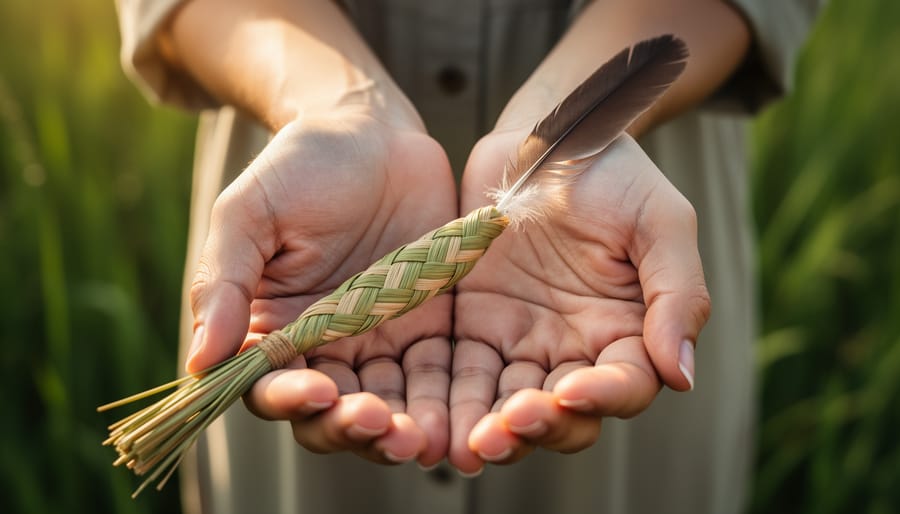
The sweat lodge ceremony represents one of the most profound expressions of spiritual cleansing in Lakota tradition. Inside a dome-shaped structure covered with blankets and hides, heated stones, called “grandfathers”, are brought into the center, creating intense steam when water is poured over them. Participants enter in darkness, sitting in a circle as prayers are offered and sacred songs sung.
This isn’t just physical purification. The ceremony honors the four elements: earth forms the lodge structure, fire heats the stones, water creates the steam, and air carries prayers upward. The practice of sweat lodge purification and renewal connects participants to something larger than themselves, washing away spiritual burdens alongside physical impurities.
For those who spend time in Atikokan’s wilderness, this ceremony offers a powerful reminder that nature itself can be a place of transformation. The sweat lodge teaches humility, you enter low, on hands and knees, and emerge feeling reborn. It’s a practice rooted in gratitude for the elements that sustain us, principles that resonate deeply with anyone who has felt renewed after a cold plunge in Steep Rock Lake or time spent quietly in the forest.
Vision Quests in Wilderness Spaces
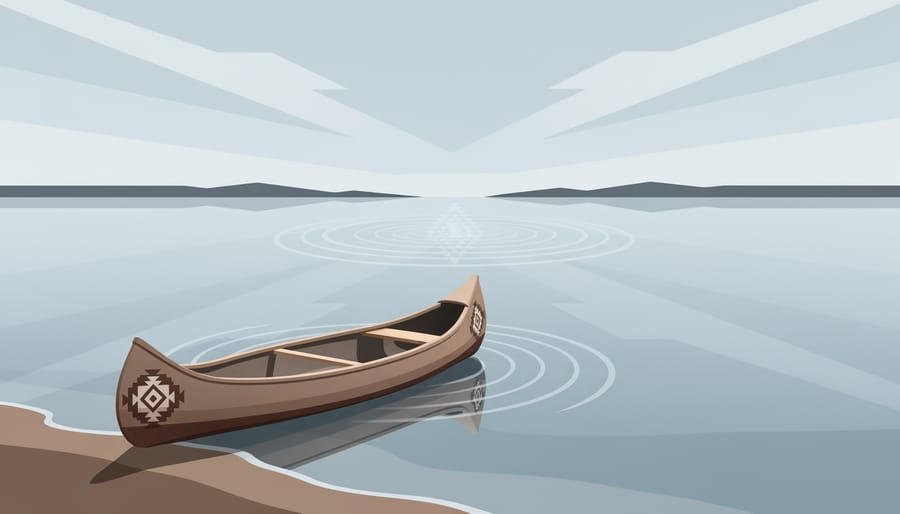
In Lakota tradition, the vision quest represents one of life’s most profound spiritual journeys. Young people and adults seeking direction would venture alone into wild places, fasting and praying for days until visions arrived to guide their path forward. This wasn’t about escaping reality but diving deeper into it, stripping away distractions until only truth remained.
The wilderness became both classroom and cathedral. Without food or shelter beyond the basics, participants faced themselves honestly. The sounds of wind through pines, the movement of stars overhead, and the calls of distant animals all carried messages for those patient enough to listen.
Atikokan’s backcountry offers that same transformative solitude today. Paddling deep into Quetico’s interior or camping alone on a remote lake, you might not be seeking a vision in the traditional sense, but the experience changes you nonetheless. Modern outdoor enthusiasts often return from solo trips speaking of clarity they couldn’t find anywhere else, describing moments when the forest seemed to whisper answers to questions they’d been carrying for months.
That’s the vision quest’s lasting gift: understanding that wilderness holds wisdom we can only receive in silence.
Stories Passed Down Through Generations
Around evening fires and kitchen tables, wisdom travels on the breath of storytellers. In Lakota tradition, oral storytelling serves as the living library of a people, carrying forward lessons about survival, relationships with animals, seasonal wisdom, and the sacred responsibilities of being human. These narratives weren’t mere entertainment but precise instruction manuals for living well on the land, each tale layered with meaning that unfolded differently as listeners grew in experience and understanding.
The elders knew which stories to share when frost first touched the grass, which lessons belonged to spring’s arrival, and how a single tale could teach a child about respect while reminding an adult about humility. Every hunt, every difficult winter, every act of courage became part of the collective memory, shaped into stories that would guide the next seven generations.
Walk into the Atikokan Inn restaurant or the coffee shop at Quetico North on a Saturday morning, and you’ll hear this same tradition alive and well. Long-time residents share stories of the land with the precision of historians and the warmth of family, recounting where the big walleye run each spring, which logging roads become impassable first, and how to read weather patterns in the movement of clouds over Steep Rock Lake.
These conversations preserve local community history in ways no archive can capture. Young hunters learn from the mistakes and triumphs of those who came before. Newcomers discover hidden berry patches and secret fishing holes through stories shared generously. The community’s relationship with the wilderness gets passed forward not through formal instruction but through the casual, vital act of people talking to each other about what they know and what the land has taught them.
Living in Harmony: Lessons for Modern Outdoor Enthusiasts
The wisdom embedded in Lakota traditions offers outdoor enthusiasts a framework for experiencing wilderness that goes beyond recreation into genuine relationship. These principles, forged over generations of living close to the land, translate remarkably well to modern adventures in Atikokan’s forests and waterways.
Before heading into the backcountry, consider beginning with a moment of acknowledgment. This doesn’t require elaborate ceremony. Simply pause at the trailhead or boat launch, take a breath, and silently express gratitude for the opportunity to enter this space. Many Atikokan anglers and hunters already practice their own version of this without labeling it spiritual. That quiet moment before casting the first line or taking the first shot mirrors the Lakota practice of offering tobacco or prayers before harvesting from nature.
When fishing or foraging, take only what you’ll genuinely use. The Lakota concept of taking the seventh fish or seventh plant, leaving the rest to sustain future populations, aligns perfectly with Ontario’s conservation regulations but adds a deeper layer of intention. Ask yourself whether you need that extra walleye or if leaving it honors the lake’s generosity.
Pay attention to the land’s signals. Notice which areas show signs of overuse or stress, and choose your routes accordingly. Creating new trails through pristine areas or camping in fragile spots contradicts the principle of moving through nature with minimal disruption. The best campsites in Atikokan’s wilderness are often those already established, where your presence won’t create new scars.
Practice reciprocity in small ways. Pack out more trash than you brought in. Scatter your ashes properly. Share your knowledge of good fishing spots sparingly, protecting them from overuse. These actions acknowledge that wilderness access is a privilege requiring responsibility, a truth Lakota traditions have always recognized and one that ensures Atikokan’s wild places remain unspoiled for those who follow.
When we walk Atikokan’s forest trails with knowledge of Lakota traditions, something shifts. The rustle of aspen leaves becomes a conversation. The stillness of a frozen lake carries wisdom. We’re not just visitors passing through wilderness, we’re participants in a relationship thousands of years old.
Understanding Atikokan means recognizing that respect for the land isn’t new here. It’s woven into the fabric of every community that’s called this place home. The Lakota values of humility, generosity, and compassion toward nature mirror what we practice when we fish responsibly, hunt ethically, and teach our children to leave the forest better than we found it.
These traditions remind us that preservation isn’t just about protecting trees and water. It’s about safeguarding a way of being, one where gratitude comes before taking, where listening matters as much as speaking, and where the land is teacher, not resource.
Step onto the trails tomorrow with fresh eyes. Notice what you’ve overlooked. Ask what the forest might be telling you. That curiosity is how heritage lives on.