
When the January wind cuts across Quetico and the ice thickens to twenty inches on Atikokan’s lakes, choosing the right ice fishing rod becomes the difference between landing a trophy walleye and heading home empty-handed. Canadian ice anglers need rods built for cold resilience, precise sensitivity through gloves, and the backbone to handle aggressive strikes in subzero conditions. The best rod for our northern fishery balances three critical elements: material that stays flexible at minus thirty, length matched to your target species and shelter setup, and action that transmits bites through thick ice while maintaining enough power for the fight.
Around here, ice fishing isn’t just a weekend hobby. It’s woven into the fabric of Atikokan winter traditions passed down through generations who learned to read ice conditions before they could drive. You’ll see families gathering at Atikokan community events swapping stories about the one that got away, and those stories almost always include a discussion about gear. The rod you choose tells a story about where and how you fish.
This guide cuts through the marketing noise to show you exactly what matters when selecting an ice fishing rod for Canadian waters. We’ll compare rod types with real use cases from local conditions, highlight features that perform when temperatures drop, and help you avoid the costly mistakes that leave too many rods gathering dust in the garage.
What Makes a Great Ice Fishing Rod for Canadian Waters
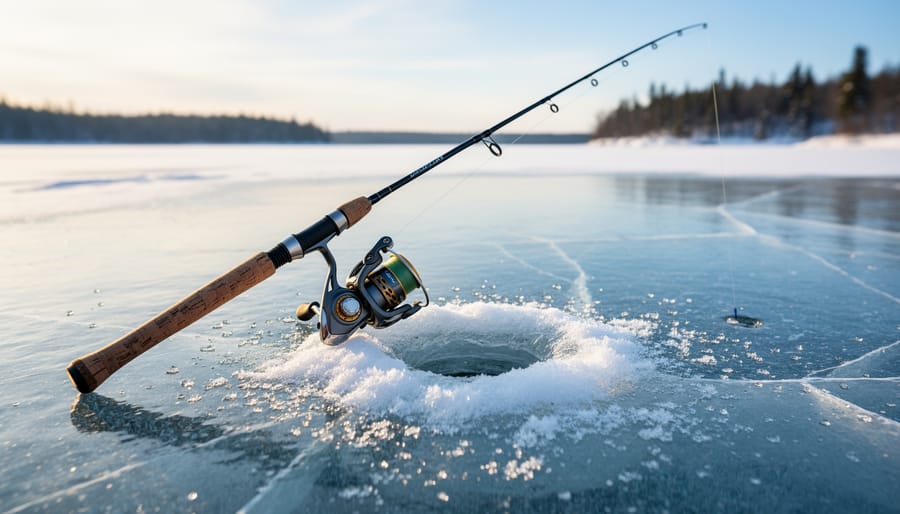
A great ice fishing rod for Canadian waters needs to earn its place on the ice, not just survive a weekend trip, but perform reliably through the long, brutal winters that define fishing in places like Atikokan. The difference between a rod that works and one that truly excels comes down to a handful of core factors, each shaped by the unique demands of Canadian conditions.
Sensitivity tops the list. When you’re fishing through two feet of ice in frigid water, walleye and perch don’t slam your bait, they nibble. A sensitive rod telegraphs those light bites up through the blank so you can set the hook before the fish spits your jig. This is where material innovation matters. Modern carbon fiber and graphite composites, key drivers in the ice fishing rod market’s growth from USD 1.4 billion in 2025 toward USD 2.3 billion by 2033, deliver the kind of responsiveness that lets you feel a fish breathing on your lure. In Atikokan’s clear, cold lakes, where fish can be finicky, that sensitivity isn’t luxury; it’s the difference between coming home with fillets and coming home with stories about the ones that got away.
Durability in extreme temperatures is non-negotiable. A rod that performs beautifully at minus five can turn brittle and prone to snapping at minus thirty, and we see those temperatures regularly through January and February. Quality materials handle thermal stress without compromising performance, flex without cracking, and maintain their backbone even when your hands are numb and you’re working a big pike through the hole.
- Sensitivity to detect light bites in cold water, especially for walleye and perch
- Durability that withstands extreme cold without becoming brittle or losing performance
- Appropriate length for your fishing setup, shorter for shelters, slightly longer for open-ice mobility
- Material quality, with carbon fiber and graphite composites offering the best balance
- Line and lure weight compatibility matched to your target species
- Budget that aligns with how often you fish and the conditions you face
Length considerations matter more than newcomers expect. Fish from a shelter, and a 24- to 28-inch rod gives you plenty of control without banging into walls or your fishing partner. Out on the open ice chasing lake trout across Atikokan’s bigger waters, a slightly longer rod helps with hook sets and handling. There’s no universal perfect length, but matching your rod to where and how you fish makes every outing smoother.
Finally, pair your rod with compatible gear. A sensitive graphite rod loses its advantage if you’re spooling it with stiff, thick line. Many anglers around here run quality ice braid like Sufix Performance Ice Braid for the low-stretch sensitivity it adds to an already-responsive setup. Get the whole system working together, and you’ll feel every tap, every hesitation, every moment that matters when a fish decides whether to commit.
Types of Ice Fishing Rods and When to Use Each
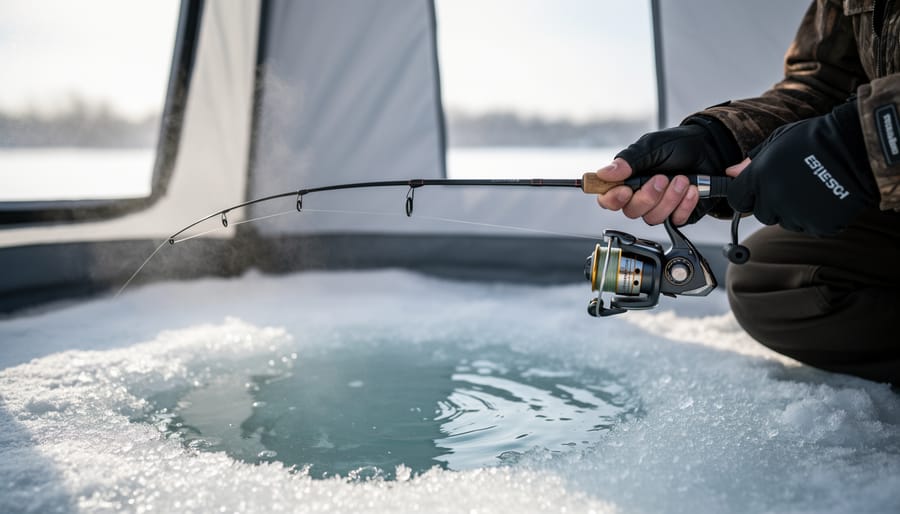
Ultralight and Panfish Rods
Ultralight rods are the secret weapon for Atikokan’s panfish enthusiasts. These delicate tools excel when you’re targeting crappie, bluegill, and smaller perch in our region’s clear, cold waters where fish can be notoriously finicky. The sensitivity matters here, you need to feel those gentle nibbles that barely register on heavier gear.
Look for rods built with modern materials like graphite composites, which stay responsive even when temperatures drop well below freezing. The technological innovations in rod materials driving market growth have made ultralight ice rods far more reliable than older fiberglass models. A good ultralight setup lets you finesse tiny jigs and delicate presentations without spooking wary panfish in shallow bays or around submerged structure.
These rods shine during those quiet afternoons in a heated shelter on Calm Lake or Steep Rock Lake, where precision beats power. They’re also light enough to fish comfortably for hours without fatigue, perfect for kids learning the sport or anyone who enjoys the meditative rhythm of panfish angling through the ice.
Medium-Power Walleye Rods
Medium-power rods dominate the ice fishing scene around Atikokan for good reason, they’re built for the walleye and jumbo perch that cruise our deep, cold lakes. These rods strike a balance between sensitivity and backbone, letting you feel the subtle tap of a walleye mouthing your jig while still having enough power to drive the hook home and horse a two-pounder through the hole.
Look for a medium-power rod with a fast or extra-fast tip. The sensitive tip telegraphs every nibble through thick gloves, critical when walleye are finicky in January’s deep freeze. The stouter midsection gives you control when a fish makes that first aggressive run under the ice.
Fenwick’s specialized walleye models in their World Class series have earned respect among local anglers, and you’ll see them in plenty of ice shacks on Calm Lake and Steep Rock. The combination of modern graphite composites and thoughtful design makes these rods responsive without feeling fragile when temperatures drop to minus thirty.
Pair your medium-power rod with six-to-eight-pound test, Sufix Performance Ice Braid is a solid choice, and you’ve got a setup that’ll handle ninety percent of what Atikokan’s winter fishing throws at you.
Heavy-Power Rods for Pike and Lake Trout
When you’re chasing pike or lake trout through Atikokan’s ice, you need a rod that won’t buckle under pressure. Heavy-power rods deliver the backbone required to set hooks in bony mouths and control fish that fight hard in cold water. Look for models built with reinforced graphite or composite materials, the kind of technological innovations driving recent growth in the ice fishing market, that maintain their stiffness even when temperatures drop well below zero.
A heavy rod lets you fish with confidence when you’re running larger lures or jigging aggressively for suspended trout. The extra power helps you horse a big pike away from structure before it wraps your line, and it gives you the leverage to work heavier tackle without fatigue during long sessions. Pair your heavy rod with quality braided line to maximize sensitivity and hook-setting power. These setups aren’t subtle, but when you feel that thump from a lake trout cruising thirty feet down, you’ll appreciate having the muscle to bring it topside.
Choosing the Right Rod for Your Fishing Style
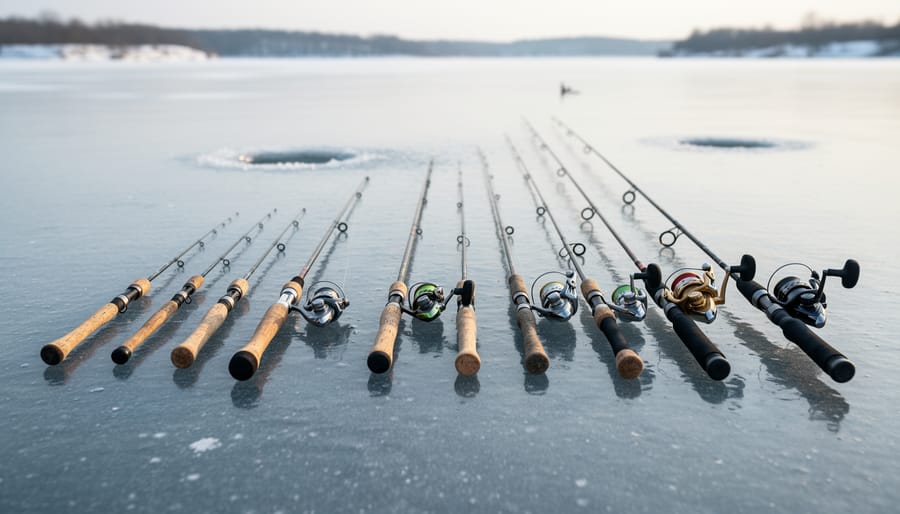
Your fishing style shapes which rod works best, and Atikokan anglers face distinct scenarios that narrow the field fast. If you fish from a shelter on White Otter Lake or Calm Lake, a shorter rod gives you maneuverability without banging the ceiling every time you set the hook. Rods around 24 to 28 inches let you work jigs and spoons comfortably in tight quarters, and they pair well with ultralight or medium-power setups for walleye and perch. Open-ice anglers who drill multiple holes and cover ground need something portable and quick to deploy, consider a medium-power rod that balances sensitivity with enough backbone to handle windy conditions and the occasional surprise pike.
Family outings call for versatile, forgiving rods that beginners can handle without frustration. A medium-power spinning combo lets kids feel bites but still has enough flex to forgive aggressive hook sets. Solo trips targeting specific species demand precision: if you’re chasing lake trout in deeper waters, a heavier rod with a fast tip gives you the control to work heavy jigs and feel bottom structure clearly.
Budget tiers have widened as the ice fishing rod market grows, from USD 1.4 billion in 2025 toward USD 2.3 billion by 2033, giving you more entry-level and mid-range choices than ever. Quality starter rods sit around $30 to $50 and handle panfish and walleye reliably. Mid-tier options from $60 to $100 bring better sensitivity and cold-weather materials like graphite composites, often with features borrowed from higher-end designs. Premium rods above $100 deliver advanced carbon fiber construction and specialized actions, ideal if you fish often or target trophies. Don’t overlook compatible gear: pairing your rod with Sufix Performance Ice Braid improves bite detection in frigid water, and a balanced setup performs better than mismatched components.
After a long day on the ice, you can shop for fishing gear locally to fine-tune your setup or grab supplies you forgot, then warm up after fishing with a hot meal and swap stories with other anglers. Choosing a rod that fits your style, your lakes, and your routine makes every outing more enjoyable and puts more fish on the ice.
Common Mistakes When Buying Ice Fishing Rods
Every winter, I watch folks walk into Atikoan’s tackle shops and make the same costly mistakes, and I’ve made a few myself over the years. My neighbour Gary bought a 42-inch rod last season because it looked impressive on the rack, only to find he couldn’t turn around in his ice shelter without poking someone. These missteps can turn an exciting day on the ice into a frustrating lesson in what not to do.
The most common pitfalls anglers encounter when shopping for ice fishing rods include:
- Choosing rods too long for shelter fishing, anything over 32 inches becomes unwieldy in tight quarters
- Ignoring material performance in extreme cold, cheaper composites can become brittle and snap below minus 20
- Mismatching rod power to target species, using a heavy pike rod for panfish kills sensitivity
- Overlooking line weight compatibility, pairing four-pound test with a rod rated for 10-plus creates imbalance
- Buying without testing sensitivity, you need to feel a perch nibbling in 30 feet of water
That last point matters more than most realize. I’ve seen anglers miss bite after bite because they grabbed a rod that felt stiff as a broom handle. The technological innovations in rod materials driving the market’s growth from USD 1.4 billion in 2025 toward USD 2.3 billion by 2033 mean more choices, but also more ways to choose poorly if you don’t know what you’re testing for.
Another mistake specific to our northern climate: assuming all graphite rods handle cold equally. They don’t. The quality of the composite matters when you’re fishing Steep Rock Lake in January, and cutting corners on material means you might be drilling a hole to retrieve your snapped tip by mid-morning. Take the rod outside the shop if they’ll let you, flex it gently in the cold, and imagine using it all day when your hands are numb. That five-minute test can save you a season of regret.
Frequently Asked Questions About Ice Fishing Rods in Canada
The learning curve for ice fishing rods flattens fast once you have answers to a few core questions. Here’s what Atikokan anglers ask most when they’re gearing up for a season on the ice.
What’s the ideal rod length for ice fishing in Canada?
Most Canadian ice anglers fish with rods between 24 and 36 inches. Shorter rods (24-28 inches) work best inside ice shelters where space is tight, while longer models (32-36 inches) give you better hook-setting leverage when you’re fishing in the open or targeting larger species like pike and lake trout.
Which rod materials hold up best in extreme cold?
Modern graphite composites and carbon fiber handle cold weather exceptionally well without becoming brittle. These materials are driving the recent market innovations, and they maintain sensitivity even when temperatures drop below minus twenty. Avoid older fiberglass models that can stiffen up in bitter cold.
How do I pair my rod with the right line?
Match your line class to your rod’s power rating and your target species. For walleye and perch setups, four to six-pound test works well, options like Sufix Performance Ice Braid offer low stretch and excellent sensitivity in cold water. Heavier rods for pike need eight to twelve-pound line to handle aggressive strikes and sharp teeth.
Are rod and reel combos worth it for beginners?
Yes, combos remove the guesswork of matching components and usually save you money. They’re a smart starting point if you’re new to ice fishing or trying a new technique, though experienced anglers often prefer building custom setups tailored to specific conditions.
Caring for your rod in Atikokan’s winter conditions is straightforward. Wipe down guides and reel seats after each outing to remove ice buildup and moisture, then store your gear in a temperature-stable area, not a cold garage where condensation can form when you bring it inside. Check guides for cracks or rough spots before the season starts, since even small damage can fray your line on a big fish. A little attention between trips keeps your rod fishing sharp all winter, and you won’t be dealing with frozen reels or snapped tips when the walleye are biting hard at dawn.
What to Look For
When you’re shopping for an ice fishing rod in Atikokan, start with sensitivity. You need to feel those subtle winter bites through gloves and cold hands, so look for rods built with modern materials like carbon fiber or graphite composites, the innovations driving today’s market growth make a real difference in detecting light strikes from walleye or perch.
Match the rod’s power to your target species. Ultralight rods work beautifully for panfish in shallow bays, while medium-power models handle walleye and jumbo perch in deeper water. If you’re after pike or lake trout, you’ll want a heavier backbone that won’t buckle when a big fish charges.
Consider where you fish most. Shorter rods (typically under 30 inches) suit ice shelters and tight spaces, while longer models give you better leverage on open ice. Check the guides and reel seat for cold-weather durability, cheap hardware cracks or freezes in January temperatures.
Finally, think about line compatibility. Your rod should balance with the braid or mono you prefer, and the guides need to handle ice buildup without choking your line. A rod that pairs well with quality ice braid will serve you season after season on Atikokan’s lakes.
Main Options Compared
When you’re standing at the tackle shop in Atikoan or browsing online, you’ll face three main rod categories that define most anglers’ arsenals. Understanding how these options stack up against each other helps you invest wisely in gear that matches both your target species and our local winter culture.
Ultralight rods excel at detecting subtle bites from panfish, crappie, bluegill, and small perch that populate our bays and shallow structures. These rods typically feature ultra-sensitive tips that telegraph every nibble through thick ice, letting you feel what’s happening twenty feet below. They’re compact, easy to maneuver inside a shelter, and ideal for days when you’re targeting numbers over size. The trade-off? They lack the backbone for larger fish, and you’ll struggle if a surprise pike grabs your bait.
Medium-power rods are the workhorses for Atikokan’s walleye and jumbo perch fishing. They balance sensitivity with enough stiffness to set hooks firmly and muscle fish through the hole without babying them. This versatility makes them the smart first purchase for anglers who fish multiple species or don’t want to haul several rods onto the ice. They handle most situations competently but won’t match an ultralight’s finesse or a heavy rod’s brute strength.
Heavy-power rods are built for northern pike and lake trout, the aggressive, powerful fish that test your gear. These rods sacrifice some sensitivity for raw power, featuring stiffer blanks that won’t buckle when you’re pulling hard against a running fish.
Choosing the right ice fishing rod isn’t just about specs and materials. It’s about matching your gear to the rhythm of winter here in Atikokan, where frozen lakes become gathering places and every outing carries the promise of a good catch and better stories. Whether you’re drilling holes on Atikokan Lake for walleye, chasing pike in sheltered bays, or introducing a kid to panfishing, the rod in your hand should feel like an extension of your intent, sensitive enough to catch subtle bites, tough enough to handle the cold, and suited to the species you’re after.
You’ve got more choices than ever. The ice fishing rod market’s growth from $1.4 billion in 2025 to a projected $2.3 billion by 2033 means innovation keeps arriving, from advanced carbon composites to specialized designs. But the best rod for you is the one that fits your style, your budget, and the waters you know. Test sensitivity before you buy. Match power to your target fish. Don’t overthink it, but don’t settle either.
Winter days on the ice are too precious to spend fighting the wrong gear. Get out there, trust your choice, and enjoy what makes this place special: cold air, clear water, and the quiet thrill of a line going tight beneath your feet.