
Bass season in Atikokan and across Ontario doesn’t follow a single opening date. The zone you fish determines when you can legally cast your line, and for anglers around town, that means paying attention to two key management zones.
In Fisheries Management Zone 18, which covers much of the area near Atikokan, bass season opens on the third Saturday in June. For 2026, that’s June 20, and fishing runs through December 15. Head south into Zone 15, though, and the opener shifts a week later to the fourth Saturday in June (June 27 this year), wrapping up on November 30. These dates matter because crossing from one zone to another mid-trip could mean the difference between legal fishing and a violation, even when both zones feel like home waters.
The variation comes down to provincial fisheries management. Ontario divides the province into 20 zones, each with regulations tailored to local fish populations, spawning cycles, and ecosystem health. What works for bass in the warmer southern lakes doesn’t always match the conditions in our northern waters, where ice-out happens later and fish need different protections during their vulnerable spawn periods.
For local anglers launching from Atikokan, Zone 18 rules typically apply, but checking your exact location against the Ontario Fishing Regulations Summary before every trip keeps you square with the law and helps protect the fishery we all depend on.
Quick Answer: Bass Season Opening Dates for 2026
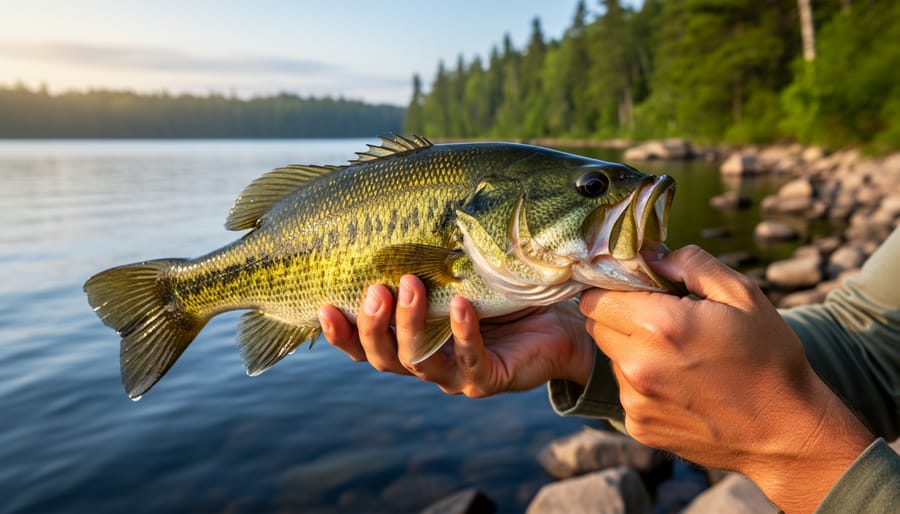
Bass season opens on different dates depending on where you fish in northwestern Ontario. For anglers targeting waters in Fisheries Management Zone 18, which includes many prime bass lakes around Atikokan, the 2026 season opens on June 20, the third Saturday in June, and runs through December 15. If you’re fishing in Zone 15 waters, bass season starts a week later on June 27, the fourth Saturday in June, and closes on November 30.
These dates represent the legal window for catching and keeping largemouth and smallmouth bass in each zone, with both species managed under a combined daily limit. The one-week difference between zones reflects variations in spawning timing and water temperature patterns across the region. Before you cast a line, double-check which zone applies to your chosen lake or river, since boundaries don’t always follow county lines or familiar landmarks. The Ontario Fishing Regulations Summary provides the definitive zone maps and seasonal details for 2026, and it’s updated annually to reflect current rules.
Understanding Ontario’s Bass Season Windows
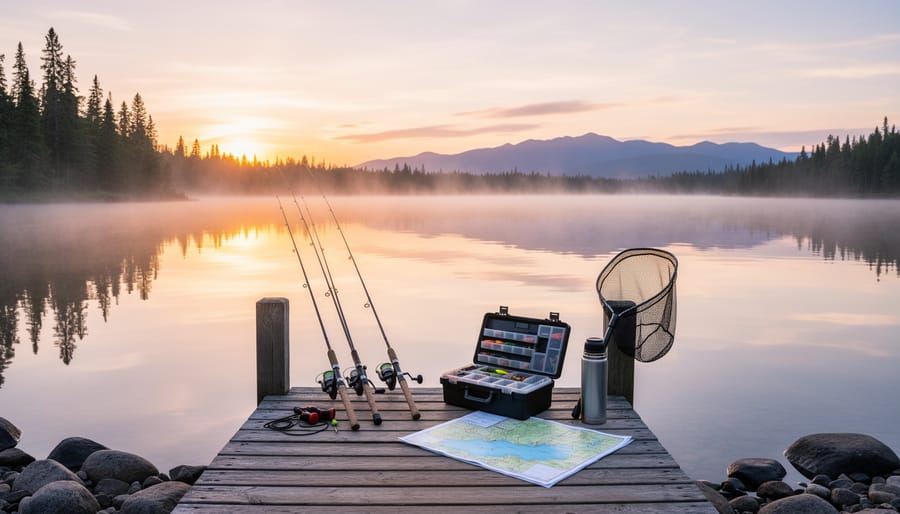
FMZ 18 Bass Season Timing
FMZ 18 covers a massive stretch of northwestern Ontario, including many of the prime bass lakes that anglers from Atikokan access throughout the season. The FMZ 18 bass season dates run from the third Saturday in June through December 15. For 2026, that means bass season opens June 20 and stays open until mid-December, giving you nearly six months to target both largemouth and smallmouth bass.
The June 20 opener aligns with post-spawn recovery timing across this zone. By late June, most bass have completed their spawning cycle and moved off the nests, making them fair game while still protecting the critical reproductive window. You’ll find excellent fishing through summer and well into fall, with autumn often delivering trophy-sized bass as they feed heavily before winter.
The December 15 closure is consistent across the zone, so you don’t need to track lake-specific end dates within FMZ 18. Just mark your calendar and plan your last outings accordingly. The extended season gives you flexibility to chase bass during peak summer action or wait for the cooler, less-crowded fall bite when big fish become more aggressive.
FMZ 15 Bass Season Timing
Zone 15 covers a stretch of waters in northeastern Ontario, including portions of the French and Pickerel River systems and lakes near Sudbury. If you’re fishing in this area, mark June 27, 2026, on your calendar, that’s the fourth Saturday in June, when bass season opens. The season runs through November 30, giving anglers a solid five-month window but closing a bit earlier than the December 15 deadline in FMZ 18.
The earlier closure reflects Zone 15’s colder fall conditions and the need to protect bass as they transition into winter. While Atikokan sits outside this zone, anglers who travel east or fish multi-zone trips should double-check their location before casting. A lake that seems familiar might cross a zone boundary, and opening a day early or fishing past November 30 can mean a fine.
Check the official FMZ 15 bass season dates in the Ontario Fishing Regulations Summary each year to confirm timing and catch limits. Zone rules shift occasionally, and what applied last season might not hold true in 2026.
What Affects Bass Season Timing in Your Area
Bass season dates aren’t arbitrary. The Ministry of Natural Resources and Forestry sets zone-specific timing to align fishing opportunities with conservation goals, and those dates reflect a mix of biological, geographic, and regulatory considerations that anglers need to understand.
Why Bass Season Dates Shift Across Ontario
Several factors determine when your local waters open for bass:
- Fisheries Management Zone boundaries, Ontario is divided into 20 FMZs, each with its own season dates based on regional fish populations and habitat characteristics.
- Spawning patterns, Bass typically spawn in late spring when water temperatures reach 15-18°C, and closed seasons protect vulnerable fish during this critical reproductive period.
- Lake-specific regulations, Individual lakes may have earlier closures, extended sanctuary zones, or additional restrictions that override the general FMZ dates.
- Conservation priorities, Zones with higher angling pressure or fragile bass populations may have later openers or shorter seasons to sustain healthy stocks.
Zone 18’s June 20 opener and Zone 15’s June 27 opener both reflect spawning timelines in northwestern Ontario, where spring ice-out and warming trends run later than in southern parts of the province. The Ministry adjusts these windows based on ongoing population assessments, so what worked in previous years doesn’t guarantee identical dates going forward.
Sanctuary areas add another layer. Some lakes close specific bays or creek mouths to all bass fishing even when the broader zone is open, protecting key spawning beds or nursery habitat. You won’t always find these on general maps, the Ontario Fishing Regulations Summary lists exceptions by waterbody name, and missing one can turn a legal outing into an unintended violation.
Weather and water conditions also influence real-world timing. A cold spring delays the spawn, meaning bass might still be on beds when the season opens, while an early warm-up can have them post-spawn and feeding aggressively by opening day. The regulations set legal dates; biology determines when the fishing actually peaks.
Steps at a Glance
Before you head to the water, follow these steps to ensure you’re fishing legally and responsibly:
- Identify which Fisheries Management Zone (FMZ) covers your intended fishing location by consulting the current Ontario Fishing Regulations Summary map.
- Confirm the exact bass season opening date for that zone, June 20, 2026 for FMZ 18 or June 27, 2026 for FMZ 15 in the Atikokan area.
- Check for any lake-specific sanctuaries or exceptions that might apply to your chosen water, as some lakes have additional protections even within a broader zone.
- Review the catch limits, size restrictions, and possession rules for bass in your target zone before you cast your first line.
- Purchase a valid Ontario fishing licence and carry it with you, along with a copy of the regulations summary, whenever you’re on the water.
These straightforward steps take only a few minutes but keep you compliant throughout the season. Staying informed protects the fishery and ensures your time on Atikokan’s bass waters remains hassle-free. Once you’ve confirmed your zone and the opening date, you’re ready to plan your outing with confidence.
Know Your Zone: Why Location Matters
Zone lines aren’t as straightforward as you might think. Even if you’ve fished the same lake for years, the Fisheries Management Zone it falls into can change when boundaries are redrawn, and that means opening dates and limits can shift without warning. Before you finalize your Atikokan outdoor plans, check which FMZ covers the specific water body you’re targeting.
The most reliable way to confirm your zone is to consult the current year’s Ontario Fishing Regulations Summary, which maps out all zone boundaries and lists the exact dates for each species. You can pick up a printed copy at most tackle shops and licensing outlets, or download the PDF from the Ontario government website. Don’t assume the rules from last season still apply, regulations are updated annually, and what was legal in one zone last year might have changed.
Around Atikokan, you’re primarily dealing with FMZ 15 and FMZ 18, but the line between them doesn’t always follow obvious landmarks. Some lakes near town fall into one zone, while others just a few kilometres away fall into the other, and that week’s difference in opening day matters if you’re planning a trip. When in doubt, cross-reference the zone map with the lake name in the summary’s index, and if you’re fishing a new spot, take the extra minute to confirm before you cast.
Bass Fishing Terms Every Angler Should Know
Understanding the language of Ontario’s fishing regulations makes it easier to stay compliant and fish with confidence. Whether you’re reading the annual summary or talking with other anglers, these terms come up often, and knowing what they mean helps you navigate both the rules and the waters around Atikokan.
- Fisheries Management Zone (FMZ)
- A designated geographic area in Ontario with its own set of fishing regulations, including season dates, size limits, and catch limits. Atikokan’s waters primarily fall within FMZ 18 and FMZ 15, each with different bass season opening dates.
- Combined Limit
- The total number of fish you can keep from multiple related species counted together. For bass, this means your daily limit applies to largemouth and smallmouth bass combined, not separately.
- Minimum Size
- The smallest length a fish must be for you to legally keep it. Any bass shorter than the minimum must be released immediately, measured from the tip of the snout to the end of the tail with the mouth closed.
- Sanctuary
- A protected area where fishing is restricted or prohibited year-round to safeguard spawning grounds and critical habitat. Some lakes near Atikokan contain bass sanctuaries that remain closed even when the general season is open.
- Open Season
- The period during which you can legally fish for and keep a specific species. Outside of open season, you must release any bass you catch, no exceptions.
- Largemouth vs. Smallmouth Bass
- Two distinct bass species with different markings: largemouth bass have a jaw extending past the eye and a dark horizontal band, while smallmouth bass have vertical bars and a jaw ending at mid-eye. Both follow the same season dates and limits in Ontario.
Before you head out, shop for gear and grab a fresh copy of the Ontario Fishing Regulations Summary, it’s updated annually and includes zone maps to confirm where you’re fishing. Knowing these basics keeps your focus on the water, not on whether you’re following the rules correctly.
After Opening Day: Making the Most of Bass Season
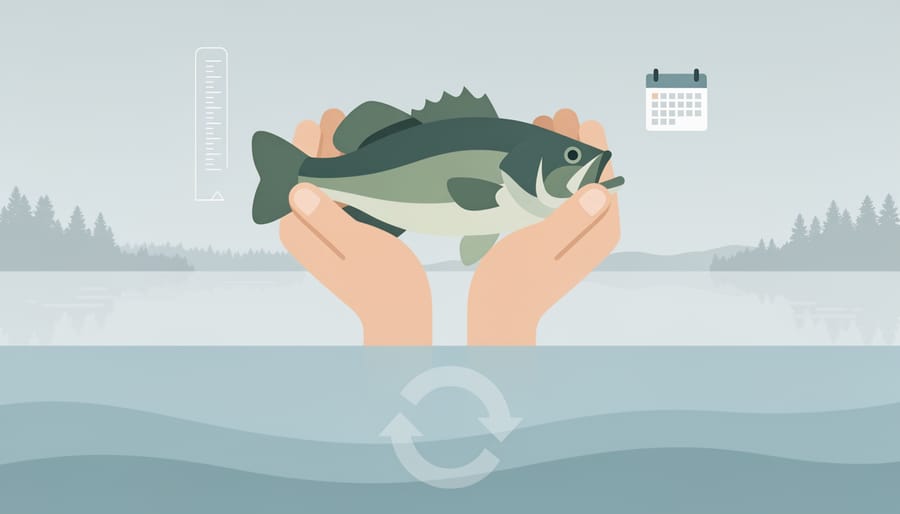
Opening day is just the start. Bass remain active through fall, and the months ahead offer your best chances to land a trophy fish as bass feed aggressively before cold weather sets in. Check water temperatures and weather forecasts before each outing, bass move to different depths and structures as conditions shift, and a cold front can slow the bite for a day or two. Early-season fishing often means targeting shallow spawning areas, while mid-summer pushes bass into deeper, cooler water near drop-offs and weed edges.
Respect daily catch limits and possession limits throughout the season, not just on opening weekend. The regulations exist to protect bass populations for future years, and conservation doesn’t end once you’ve caught your first fish. Practice selective harvest: keep a few smaller fish for the table if you choose, but consider releasing larger bass that contribute more to spawning success. Use barbless hooks or crimp down the barbs to make release easier, and handle fish gently with wet hands to protect their slime coat.
Plan your season around Atikokan’s prime bass waters. Many lakes near town hold strong populations of both largemouth and smallmouth, and exploring different spots keeps the experience fresh. A multi-day fishing trip lets you cover more water, and you’ll want to know where to eat in Atikokan between outings. Bass season runs well into late fall in FMZ 18, giving you months to refine your techniques. As November approaches, start thinking ahead, once bass season closes, our northern winters turn attention to ice fishing rods and hardwater angling on the same lakes.
Common Questions About Bass Season in Ontario
Bass season timing questions crop up every spring as anglers plan their first trips. Here are straightforward answers to help you fish legally and confidently in 2026.
When exactly does bass season open in 2026 near Atikokan?
In FMZ 18, which covers many Atikokan waters, bass season opens June 20, 2026 (the third Saturday in June) and runs through December 15. FMZ 15 opens a week later on June 27, 2026 (the fourth Saturday in June) and closes November 30.
Do bass season dates change from year to year?
The specific calendar dates shift because the regulations tie opening day to a particular Saturday in June rather than a fixed date. The third Saturday in June falls on different dates each year, so you need to check the current year’s regulations.
Where can I find the most current bass fishing regulations?
The Ontario Fishing Regulations Summary comes out annually and contains zone-specific dates, limits, and sanctuary information. You can get a copy online or pick one up at license vendors before heading out.
What happens if I accidentally fish for bass before the season opens?
Fishing for bass during the closed season carries serious penalties, including fines and potential loss of equipment. Conservation officers patrol popular waters during closure periods, so always verify your zone’s opening date before you cast.
Remember that zone boundaries matter more than general dates. A lake you’ve fished for years might sit in a different FMZ than you think, especially near zone borders. Taking five minutes to confirm your location against the regulations map before each trip keeps you compliant and supports healthy bass populations for future seasons.